Here’s a small thing that took me embarrassingly long to get right. What you eat matters. So does when.
Specifically the last meal of the day. For a long time after my first hospitalization I’d finish dinner early, go to bed on a near-empty stomach, and wake at 3 or 4 AM feeling off. Low. Shaky. Sometimes genuinely unwell.
It turns out your pancreas doesn’t clock off when you go to sleep. It keeps working through the night. And if you’ve picked up the glucose problems that often follow severe pancreatitis (I started needing insulin after my second hospitalization), the overnight stretch is where things can quietly go wrong.
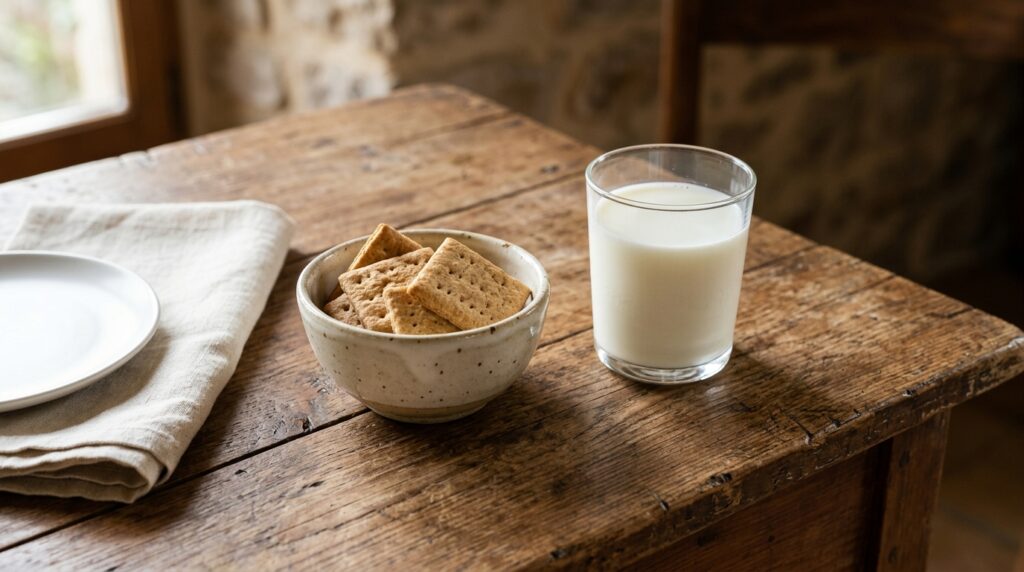
So I added a small snack before bed. Around 10 to 10:30 PM, not later. There’s a real reason it’s then and not the middle of the night, and it has to do with how your body handles sugar at different hours. Eating at 3 AM, when your system is least ready for it, can make the exact problem you’re trying to prevent worse.
That one change steadied my mornings more than almost anything else I tried.
I keep a tight schedule now. Fixed bedtime, fixed wake-up, eight hours, five small meals through the day, and that pre-bed snack at the right hour. None of it is dramatic. All of it adds up.
The full daily structure, the timing, the meals, the sleep, and the why behind each piece, is in the lifestyle part of the book. It’s the unglamorous stuff that keeps me out of the hospital, which makes it the most important stuff.
Get the book → pancreaszen.com/book
I’m a patient, not a doctor. This is my experience, grounded in the medical literature. If you have blood sugar issues, work the timing out with your own care team.