The physical recovery from pancreatitis gets all the attention. The blood tests, the diet, the enzymes. My discharge sheet said nothing about what the disease does to your head.
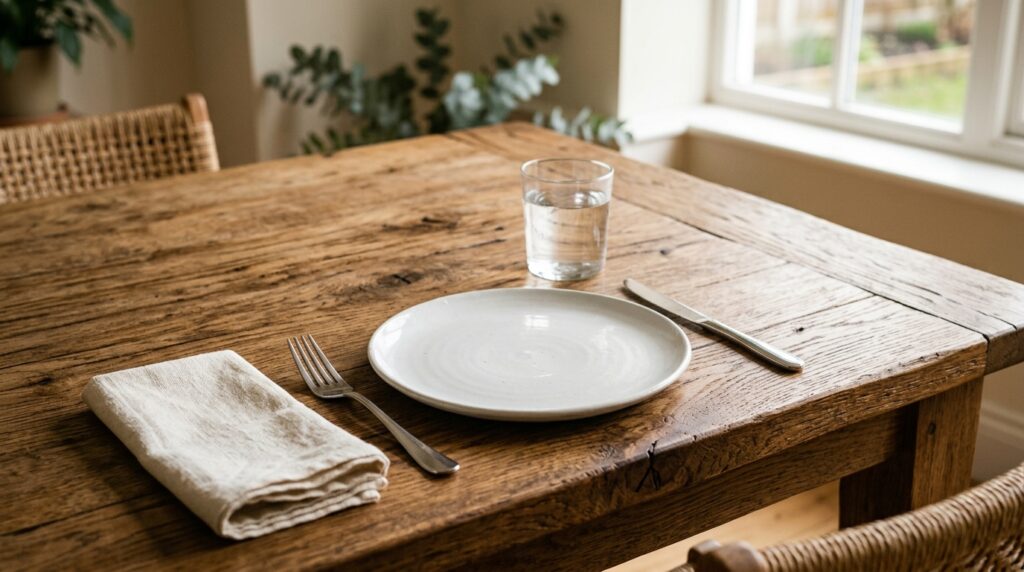
After my first hospitalization I got scared of food. Not in a poetic way. In a real, daily, standing-in-the-kitchen-not-eating way. Every meal felt like a decision that could send me back to the ICU, because once, it basically had.
That fear has a name among patients: hypervigilance. You read every label three times. You interrogate every twinge. You shrink your diet to a handful of foods you trust and you stop sitting at a normal table like a normal person. It feels responsible. It’s its own kind of harm.
The opposite trap is just as real. Some people handle the fear by ignoring it, deciding they’re fine, and eating like nothing happened, until the day something does.
I spent eighteen months in weekly therapy partly because of this. It helped more than I expected. There are daily practices that take the edge off the anxiety without pretending the disease isn’t serious. And there’s a point where the right move is to get professional help. That’s maintenance, the same as any other part of managing this.
I write about my own therapy work honestly in the book, what helped and what didn’t, because I went looking for an account like that when I was in the thick of it and couldn’t find one.
The mental health part is the one I almost didn’t write, and the one readers thank me for most. If the fear is running your meals right now, you’re not broken, and you’re not alone in it.
Get the book → pancreaszen.com/book
I’m a patient, not a doctor. This is my experience, grounded in the medical literature. If anxiety or low mood is affecting your daily life, please reach out to a professional.